
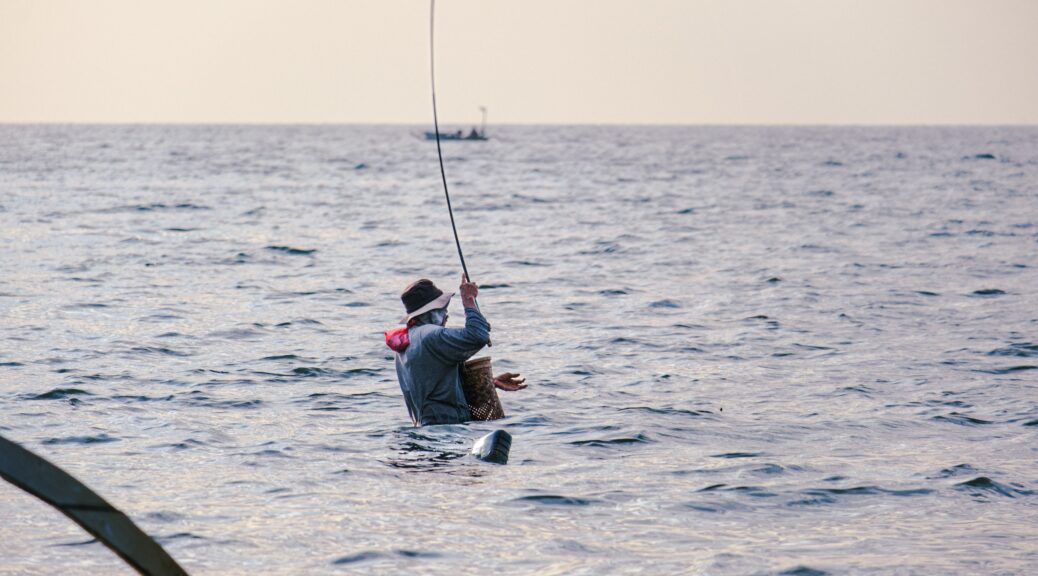
There’s something special about being out on the water in Exmouth. The early morning sun rising over the horizon, the excitement of spotting fish feeding on the surface, and the anticipation of that first strike are experiences that stay with you long after you’ve returned to shore.
But there’s another side to fishing that’s just as important as the thrill of the catch: protecting the marine environment that makes these incredible experiences possible.
At Innkeeper Sport Fishing, we know that Exmouth’s extraordinary marine environment is what makes this region such a remarkable fishing destination. From the magnificent Ningaloo Reef to the deep blue waters beyond the continental shelf, these ecosystems deserve our respect and care.
Conservation and sustainable fishing aren’t simply environmental buzzwords. They’re essential to ensuring that future generations can enjoy the same remarkable fishing opportunities we have today.
Let’s explore why responsible fishing matters, what sustainable fishing looks like in practice, and how anglers can play their part in protecting Western Australia’s marine life.
Why Marine Conservation Matters in Exmouth
Exmouth is one of Australia’s most celebrated fishing destinations, and for good reason.
Located along Western Australia’s North West Cape, the region offers access to an extraordinary variety of marine habitats. The World Heritage-listed Ningaloo Reef supports a rich ecosystem, while nearby offshore waters provide opportunities to encounter some of the ocean’s most impressive game fish.
Anglers visiting Exmouth may encounter blue marlin, black marlin, striped marlin, sailfish, yellowfin tuna, mahi mahi, wahoo and numerous reef species.
However, healthy fish populations depend on much more than the availability of food.
Coral reefs, seagrass habitats, ocean currents and balanced marine food webs all contribute to the health of the ecosystem. When one part of that system comes under pressure, the effects can extend throughout the marine environment.
Overfishing, habitat damage, pollution and changing ocean conditions can all affect fish populations.
That’s why sustainable fishing is so important.
By adopting responsible fishing practices, anglers can help reduce unnecessary harm to marine life while continuing to enjoy the sport they love.
What Does Sustainable Fishing Actually Mean?
Sustainable fishing is about enjoying fishing today without compromising the health of fish populations and marine ecosystems tomorrow.
It doesn’t necessarily mean giving up fishing or never keeping a fish for dinner.
Instead, it means making thoughtful decisions about what we catch, how we handle fish, where we fish and how much we take.
For recreational anglers, sustainable fishing generally involves:
- Following local fishing regulations, size limits and bag limits.
- Practising responsible catch-and-release techniques.
- Keeping only fish that can be legally retained and genuinely used.
- Avoiding unnecessary damage to sensitive marine habitats.
- Reducing litter, lost fishing gear and other pollution.
- Respecting protected species and marine sanctuary zones.
These actions might seem small individually, but collectively they can make a meaningful difference.
Sustainable fishing is ultimately about finding the right balance between recreation, responsible harvesting and environmental protection.
Catch and Release: Giving Fish the Best Chance of Survival
One of the most recognised conservation practices in recreational sport fishing is catch and release.
For many anglers, particularly those targeting marlin and sailfish, the excitement comes from finding the fish, experiencing the fight and successfully bringing it alongside the boat.
Keeping the fish isn’t always necessary.
In fact, watching a magnificent billfish swim strongly back into the ocean can be one of the most rewarding moments of the entire trip.
However, releasing a fish doesn’t automatically guarantee its survival.
The way a fish is caught, handled and returned to the water can significantly influence its chances of recovery.
Using Appropriate Fishing Equipment
Choosing the right tackle is an important part of responsible fishing.
Equipment should be suitable for the species being targeted, allowing anglers to bring fish to the boat efficiently without unnecessarily prolonged fights.
Excessive exhaustion can increase physiological stress, particularly in large pelagic fish.
Circle hooks can also reduce deep hooking in some bait-fishing situations, although their effectiveness depends on the species and fishing technique.
Minimising Handling Time
Whenever possible, large fish intended for release should remain in the water.
Keeping a fish supported in its natural environment reduces the risk of injury associated with lifting, dropping or placing it on hard surfaces.
Anglers should also avoid touching sensitive areas such as the gills and eyes.
For billfish, careful alongside-the-boat handling is generally preferable to removing the fish from the water.
Releasing Fish Carefully
A successful release involves more than simply removing the hook.
The crew should assess the fish’s condition, minimise additional stress and follow species-appropriate release procedures.
When necessary and safe, a fish may need assistance to regain sufficient water flow across its gills before swimming away.
These techniques help improve release outcomes, although survival can never be guaranteed.
Innkeeper Sport Fishing’s live aboard fishing adventures include a strong catch-and-release sportfishing focus, particularly when targeting exciting offshore species.
Responsible Reef Fishing: Taking Only What You Need
Reef fishing offers a different experience from chasing billfish offshore.
Species such as red emperor, coral trout, spangled emperor and goldband snapper are valued for both their sporting qualities and their excellent eating quality.
For many visitors, bringing home fresh fish is part of the enjoyment.
And responsible fishing can certainly include keeping fish for the table.
The key is making sure the catch is legal, appropriately handled and not wasted.
At Innkeeper Sport Fishing, reef fishing trips give guests opportunities to target a variety of tropical reef species. The crew also offers fish-filleting services for retained catches, helping guests take home fish ready for preparation.
But responsible harvesting requires careful attention to local regulations and environmental conditions.
Understanding Bag Limits and Size Restrictions
Western Australian fishing regulations are designed to help manage fishing pressure and protect fish populations.
Depending on the species, location and season, these rules may include minimum or maximum sizes, possession limits, seasonal closures and restrictions on particular fishing methods.
Regulations can change, so anglers should always check the latest requirements with the Western Australian Department of Primary Industries and Regional Development.
Avoiding Unnecessary Waste
Keeping fish you can properly store and consume is a sensible approach.
Good onboard fish handling also matters. Prompt chilling and appropriate storage help maintain the quality of retained catches.
Another consideration is barotrauma, which can affect fish brought rapidly to the surface from deeper water.
For susceptible species, releasing undersized or unwanted fish from significant depths may require specialised techniques and may not always result in survival.
Avoiding unnecessary capture in these situations is an important part of responsible reef fishing.
Protecting the Ningaloo Reef Ecosystem
Ningaloo Reef is one of Western Australia’s most extraordinary natural treasures.
Its coral habitats support a remarkable diversity of marine life, making the region attractive to anglers, snorkellers, divers and nature lovers from around the world.
Protecting this ecosystem requires awareness both above and below the water.
Fishing vessels and recreational anglers should take particular care around sensitive coral habitats.
Anchoring directly on coral can cause physical damage that may take years to recover.
Where appropriate, using designated moorings or anchoring over suitable sandy areas can help reduce this impact.
Fishing line, hooks, plastic packaging and other rubbish must also be kept out of the ocean.
Even small pieces of discarded fishing gear can entangle marine animals or damage habitats.
Marine sanctuary zones are another important conservation measure.
Some areas within marine parks prohibit fishing altogether, while others have specific restrictions.
Respecting these boundaries helps protect sensitive habitats and contributes to broader marine management objectives.
For anglers visiting Exmouth, understanding these rules is part of enjoying the region responsibly.
The Role of Experienced Fishing Charter Crews
A knowledgeable fishing crew can make a significant difference to both the quality of a fishing trip and the decisions made on the water.
Experienced skippers understand how weather conditions, ocean currents, seasonal movements and fish behaviour influence fishing opportunities.
This knowledge can help anglers target suitable species, use appropriate techniques and respond to changing conditions.
Innkeeper Sport Fishing is led by Captain Brendon Hawker, whose extensive international sport fishing experience and knowledge of Exmouth’s waters help shape the company’s charter experiences.
The business operates two purpose-built vessels: the 44-foot INNKEEPER game fishing boat and the 25-foot KEEPERINN centre console.
These vessels support a variety of fishing experiences, including billfishing, reef fishing and extended offshore adventures.
Guests can explore the available options through Innkeeper’s Exmouth fishing charter packages.
Responsible fishing also benefits from communication between crews and guests.
Before heading offshore, anglers should understand which species may be targeted, what regulations apply and how fish intended for release should be handled.
Conservation works best when everyone onboard understands their role.
Sustainable Fishing Is About More Than Catch and Release
Although catch and release receives considerable attention, marine conservation involves a much broader range of responsibilities.
For example, preventing pollution is one of the simplest ways recreational anglers can protect the ocean.
Reusable drink bottles, properly secured rubbish and responsible disposal of damaged fishing line can all reduce waste.
Avoiding unnecessary disturbance to marine wildlife is equally important.
Exmouth’s waters are home to numerous marine species beyond the fish anglers target.
Dolphins, turtles, rays and other wildlife should be given sufficient space to behave naturally.
Vessel operators should also follow applicable wildlife approach restrictions and safe boating practices.
Thoughtful trip planning, appropriate vessel maintenance and responsible fuel handling can further reduce avoidable environmental impacts.
No fishing trip is entirely without an environmental footprint.
However, recognising those impacts and taking practical steps to reduce them is an important part of sustainable recreation.
Teaching the Next Generation to Fish Responsibly
One of the most valuable aspects of recreational fishing is the opportunity to share it with others.
For many people, their love of fishing began with a parent, grandparent, friend or experienced angler who showed them the ropes.
Those early experiences can shape attitudes towards the ocean for a lifetime.
Teaching beginners how to handle fish carefully, respect regulations and appreciate marine habitats helps establish responsible habits from the beginning.
It’s also worth explaining why some fish are released while others may be legally retained.
When younger anglers understand that healthy ecosystems support future fishing opportunities, conservation becomes something practical rather than abstract.
A memorable fishing trip doesn’t have to be measured by how many fish end up in the esky.
Sometimes the most meaningful moments are the fish that swim away.
How Anglers Can Support Sustainable Fishing in Exmouth
Every angler has an opportunity to make responsible choices.
Before your next fishing adventure, consider a few simple principles.
First, familiarise yourself with the current Western Australian recreational fishing regulations and any marine park restrictions relevant to your destination.
Second, use suitable fishing tackle and follow experienced guidance when handling fish.
Third, decide in advance how much fish you genuinely need to retain.
Finally, remember that the ocean is a shared environment.
Other anglers, local communities, tourism operators and future generations all benefit from healthy marine ecosystems.
Being a responsible angler means recognising that connection.
It’s possible to enjoy the excitement of a powerful marlin strike, the challenge of reef fishing and the beauty of remote offshore waters while still treating the environment with care.
Experience Exmouth Fishing with Innkeeper Sport Fishing
Few destinations offer the variety and excitement of Exmouth.
Whether you’re hoping to encounter a spectacular marlin, target sailfish in Exmouth Gulf or enjoy a day of reef fishing, the region offers unforgettable opportunities.
Innkeeper Sport Fishing provides a range of charter experiences designed around the incredible fishing available off Western Australia’s coast.
With experienced crews, purpose-built vessels and access to exceptional fishing grounds, guests can enjoy the adventure of discovering what makes Exmouth so special.
And while every fishing trip brings its own challenges and surprises, one thing remains constant: the importance of respecting the marine environment.
Conservation and sustainable fishing help ensure that the excitement we experience today remains possible tomorrow.
Because the best fishing memories aren’t just about what we catch.
They’re also about the extraordinary ocean we get to experience along the way.
Ready to plan your next Exmouth fishing adventure?
Visit Innkeeper Sport Fishing to explore available charters, learn more about the vessels and speak with Captain Brendon Hawker about your next trip.
Call: +61 437 579 448